
Manila Water Unveils Advanced Sewage Plant to Slash Pollution in Pasig River
Manila Water is set to launch its most sophisticated wastewater treatment facility to date in Mandaluyong, a new plant capable of treating up to 120 million litres of water daily.
The Aglipay Sewage Treatment Plant is a key component of the broader Mandaluyong West, San Juan South and Quezon City South Sewerage Scheme. Once operational, it will service approximately 652,000 residents within a 20-square-kilometre area. The project’s development has been guided by Binnies Philippines, working in partnership with DCCD Engineering Corporation, which provided master planning, feasibility studies, detailed design, and construction management services.
YS Tse, Project Director at Binnies, highlighted the project’s importance, noting that while Manila is a densely populated metropolis, its sanitation infrastructure has lagged. “The Aglipay plant will play a crucial role in cutting pollution flowing into the Pasig River and Manila Bay, contributing to more resilient communities,” Tse stated. Designed on a compact site, the facility is built to accommodate a growing population of up to 700,000 and is slated to begin operations in early 2026.
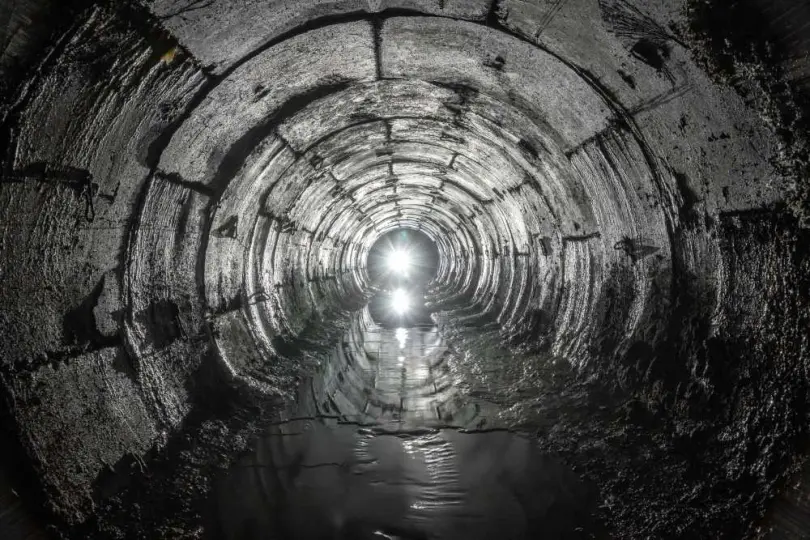
The supporting network will eventually feature 53 kilometres of sewers and a deep underground pumping station, located 20 metres below the surface, with a capacity of 100 million litres per day. All collected wastewater will be treated at the central plant, which is equipped with full biological nutrient removal technology.
The facility’s design adheres to the strict 2016 Philippine Water Quality Guidelines, which mandate extremely low levels of nitrogen and phosphorus in treated effluent. To meet these rigorous standards, Binnies implemented Moving Bed Biofilm Reactor (MBBR) technology. “This system uses microorganisms to effectively strip out nutrients while minimising the need for chemicals,” Tse explained. “Achieving high-quality treatment with low energy and chemical use is a central goal.”
The sewer system is being rolled out in phases, initially operating as a combined network for both sewage and rainwater, with a long-term plan to transition to a separate system. The MBBR process was chosen for its adaptability to this evolution, and the design also allows for future expansion of sludge treatment capabilities as biosolid volumes increase.
Jeric Sevilla, Director of Manila Water’s Communication Affairs Group, called the plant a landmark achievement. “Its scale, technology, and the breadth of its coverage underscore our dedication to building sustainable communities,” Sevilla said. “This facility embodies our long-term vision of safeguarding public health and protecting the environment through top-tier wastewater management.”